Are you thinking of visiting Dubrovnik for your next vacation?
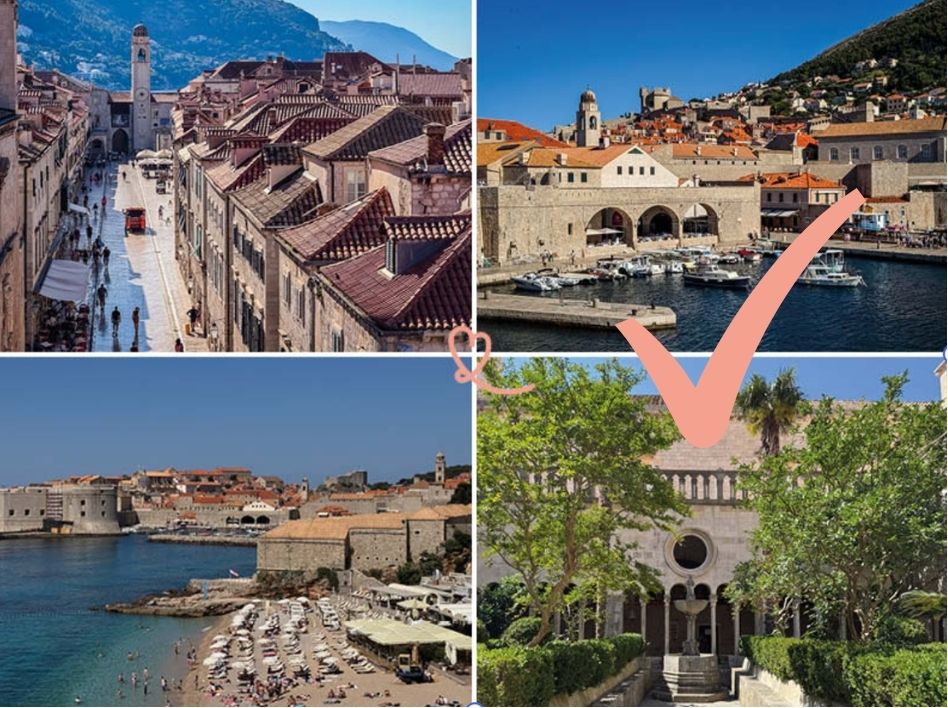
What a great idea! We found this Croatian city to be absolutely stunning, with its historic city walls, narrow white limestone streets, and deep blue waters.
Before you go, here are all the details to answer your question: Is Dubrovnik a safe city?
Check out all our practical tips for a worry-free trip.
Is Dubrovnik a safe city? Quick answer
Yes, Dubrovnik is a safe destination. Croatia has a low crime rate, and the city welcomes millions of visitors each year without any major incidents. We consider Dubrovnik to be one of the cities where we felt most at ease along the Adriatic coast. The few risks to be aware of include the possibility of pickpocketing in crowded areas, a few common scams, the sun—which can be intense in the summer—and cobblestone streets that become slippery in wet weather. We still recommend taking the usual precautions, just as you would at any tourist destination. In short, it’s a pleasant destination with plenty to do. Find all the ideas for things to do in Dubrovnik here.
Dubrovnik is a city in Croatia where Croatian laws and European regulations apply, as the country has been a member of the European Union since 2013. In recent years, local authorities have been tightening regulations to better manage the influx of tourists, including fines of up to several hundred euros for disruptive behavior in the Old Town.
WHERE TO STAY IN Dubrovknik
Our favorites: neighborhoods and hotels
Old Town
Hotel Villa 5DB – Check photos and availability
Lapad and Babin Kuk
Hôtel Royal Neptune – Check photos and availability
North coast
Hôtel Ninon Bed & Breakfast – Check photos and availability
Ploče district
Hotel Excelsior – Check photos and availability

Risks Associated with Overcrowding

Dubrovnik attracts a large number of visitors to a small area, which creates its main challenge in terms of safety: crowd density rather than crime. When several cruise ships dock on the same day, the Old Town quickly fills up between 10 a.m. and 2 p.m., particularly around Pile Gate and along the Stradun. We’ve noticed that this crowd makes pickpocketing easier and makes it harder to navigate the narrow alleys leading up to the city walls. In fact, we prefer to explore these neighborhoods early in the morning, when the city returns to its usual calm. However, this is not unique to Dubrovnik: most major tourist destinations around the world experience these peaks in visitor numbers.
Tips:
It’s best to visit early in the morning or late in the day, when the crowds thin out significantly.
OUR ADVICE FOR RENTING YOUR CAR AT Croatia
- Compare prices on our preferred platform: DiscoverCars – one of the best rated sites.
- Choose a car that is powerful enough (the roads are steep) but compact (some passages are narrow).
- There is a lot of demand, book it early.


See our tips (coming soon)
Theft and Pickpocketing

As with any popular tourist destination, Dubrovnik has its share of pickpocketing, mainly in crowded areas: the Stradun, the area around Pile Gate, and city buses. These are almost always minor, opportunistic crimes rather than assaults. We always keep our bags zipped and in front of us on the busiest streets—a simple habit that minimizes the risk. We’ve also heard several accounts of tourists being distracted by one accomplice while another snatches a phone left on a café table. Car thefts remain rare, but items left in plain sight inside the vehicle can attract the attention of curious onlookers, especially in parking lots near the Old Town.
Advice:
- Carry your bag in front of you in crowded places
- Keep your valuables out of sight on the terraces
- Don’t leave anything in plain sight in your vehicle
- Stay alert on buses, especially during peak season
A LITTLE MORE patience
All the photos, maps, information and addresses you need to make your stay in Croatia a success will soon be available in a single ebook!
Tourist scams

Dubrovnik is also not immune to the classic scams found in heavily visited cities. For example, you may be approached near Pile Gate by someone claiming to be an official guide, without any real accreditation. Taxis that refuse to use the meter and offer an inflated fixed fare are among the most common issues, as are certain restaurants on Stradun that add unannounced surcharges to the bill. These practices are minor and can be easily dealt with once you’re aware of them.
Advice:
- Make sure the meter is running before getting into a taxi
- Choose official taxis parked at designated locations
- Avoid hiring an unofficial guide who approaches you on the street
- Check the bill at the restaurant before paying

Cobblestone streets and slippery ground

One of the least obvious dangers in Dubrovnik doesn’t come from crime but from the ground itself. The narrow streets and the Stradun are paved with limestone polished by centuries of foot traffic—a surface that becomes particularly slippery when wet, whether after rain or simply from morning dew. We’ve seen more than a few visitors lose their balance on these cobblestones, especially when wearing sandals or shoes with smooth soles. We therefore recommend closed-toe shoes with good traction, particularly if you plan to walk along the ramparts or up the stairs leading to the upper neighborhoods.
Tips:
Wear shoes with non-slip soles; avoid flat sandals or heels when exploring the old town.
Dangers of sun and heat

Dubrovnik has hot summers, with temperatures regularly exceeding 35°C in July and August. The stone walls of the ramparts trap the heat, making walking particularly taxing in the middle of the day. We always make sure to bring enough water before setting out. Don’t hesitate to wear a hat and use sunscreen, either.
Advice:
- Bring a hat, sunglasses, and sunscreen
- Avoid the hottest part of the day for outdoor visits
Water Hazards: Swimming and Diving Off Rocks

The Adriatic Sea around Dubrovnik is generally calm, but certain spots warrant special attention. Rocky coves, such as those bordering the bars built into the city walls, can experience stronger waves than expected, especially in strong winds. Also be careful if you plan to jump off the rocks—a practice that many local sources advise against due to the number of injuries reported each summer. We recommend sticking to designated swimming areas, such as Banje Beach or Bellevue Beach, where the water is shallower and easier to enter.
Advice:
- Swim in the designated areas rather than on isolated rocks
- Avoid jumping off ramparts or cliffs, even if it seems tempting
- Check the weather forecast before going out to sea or kayaking
- Keep your belongings safe on the rocks
DISCOVER Dubrovnik

Safety for women travelers

Dubrovnik is a safe destination for women traveling alone. Street harassment is rare there, and the central areas remain lively and well-lit until late at night. We walked alone through the Old Town in the evening without feeling particularly uncomfortable, even late after dinner.
Advice:
- Stick to the lively, well-lit streets in the evening
- Let someone know before you go out to sea or go on a solo hike
- Keep your valuables safe, just like anywhere else
Traffic, Restrictions, and Driving in Dubrovnik

Driving to Dubrovnik isn’t particularly difficult, as the main roads are in good condition, although some coastal stretches remain winding and busy during the high season. The Old Town, however, is entirely pedestrian-only and off-limits to unauthorized vehicles from April 1 through October 31. We chose to park our car in a parking lot on the outskirts as soon as we arrived, rather than looking for a spot near the center—a much more affordable option during the summer months. Read our article on where to park in Dubrovnik for more information.

Advice:
- Arrive early in the morning during peak season to find a spot more easily
- In the event of an accident, call the police at 112

It’s time to book!
Compare everything: companies, prices, schedules and availability.
Is the water safe to drink in Dubrovnik?
Yes, tap water is safe to drink throughout Dubrovnik and meets European standards. It comes from natural sources treated in accordance with current European Union standards. Most residents drink it straight from the tap, without resorting to bottled water.
Emergency Numbers in Dubrovnik
Keep this number handy during your stay:
- European emergency number: 112
Croatia has a reliable healthcare system, and most hospitals in Dubrovnik are equipped to handle common emergencies. However, we recommend purchasing travel insurance before departure, as medical care may be billed directly to visitors who are not covered by the European Health Insurance Card.
Neighborhood safety
There are no neighborhoods in Dubrovnik that are truly dangerous for visitors. However, here are some useful details to keep in mind depending on the area.
Is the Old Town safe?

The Old Town, within the city walls, remains the safest and most closely monitored area of Dubrovnik, with a regular police presence during the tourist season. The main inconvenience there is the crowds during peak hours rather than any real risk. In fact, we find this part of the city particularly pleasant in the evening, once the cruise ship groups have left. We still keep a close eye on our belongings on the terraces, where bag thefts can occur just as they do elsewhere.
Is the Lapad neighborhood safe?

Lapad, a residential and seaside neighborhood a few kilometers west of downtown, is a quiet and safe area. Its family-friendly beaches and shaded walkways make it a popular place to stay away from the hustle and bustle of the old town. We stayed there for several nights without encountering any problems, even when returning late from the restaurants along the waterfront.
/ne
Is Ploče safe?
The Ploče neighborhood, east of the Old Town, is home to several hotels as well as the eastern entrance to the city walls. It is a quiet area that is quite busy during the day. At night, some of the streets there are less well-lit.
Are Lokrum and the Elaphiti Islands safe?

Lokrum Island, just a few minutes by boat from the harbor, as well as the more offshore Elaphiti Islands, are safe destinations for a day trip. There’s little traffic, no dense urban areas, and a decidedly peaceful atmosphere. We simply recommend checking the schedule for the last ferry before setting out to explore, to avoid getting stranded after dark.